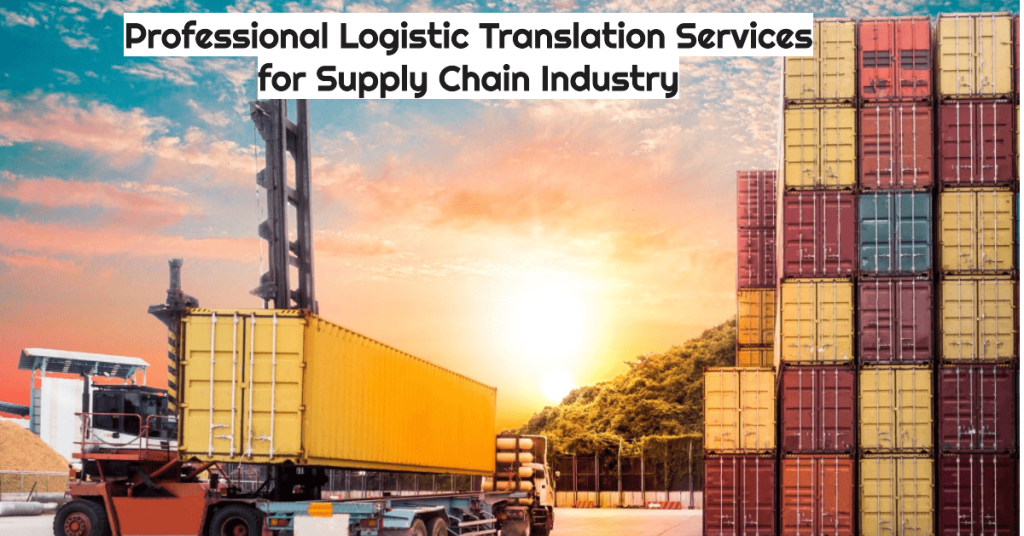
Professional Logistics Translation Services for Supply Chain Industry
In today’s interconnected world, the supply chain operates on a global scale, necessitating fast and precise communication across various languages and cultures.
Professional logistics translation services are essential for ensuring that all parties involved in the transport and logistics sector can collaborate effectively.
This article explores the key benefits, the operational workflow, the types of documents needing translation, how to choose the right service provider, and the challenges associated with logistics translations.
What are the Key Benefits of Using a Logistics Translation Service?
How Does Accurate Translation Facilitate Global Supply Chain Operations?
Accurate translation is a cornerstone of successful global supply chain operations.
When logistics companies engage in international trade, they often deal with a myriad of documents such as contracts, bills of lading, and shipping documents that require precise translation.
A logistics translation service ensures that all parties have a clear understanding of their responsibilities and obligations, which is crucial for maintaining the flow of goods.
By facilitating accurate translation, logistics companies can prevent misunderstandings that could lead to delays, disputes, or even financial losses.
Effective communication through accurate translations accelerates operations, allowing for timely shipments and improved customer satisfaction.
Why is Precision Important in Logistics Translations?
Accuracy in logistics translations cannot be overstated.
The logistics industry is marked by its unique terminology and regulatory requirements that vary from one country to another.
A slight error in translation can lead to compliance issues, resulting in legal penalties or disruptions in the supply chain.
For instance, a misinterpretation of a term in a customs document could delay the release of goods at the border.
Therefore, logistics translation services ensure that every term, phrase, and nuance is accurately translated to maintain the integrity of the documentation.
This effective communication fosters a smoother operation, ensuring that movements within the supply chain are executed without hitches.
How Can Logistics Translation Services Ensure Regulatory Compliance?
Regulatory compliance is a critical aspect of logistics operations, particularly in international shipping.
Different countries have specific regulations governing the transport of goods, and logistics translation services play a vital role in ensuring that all documentation adheres to these regulations.
By providing expert translations of regulatory texts, such as import/export laws and safety guidelines, logistics companies can avoid potential fines or legal issues.
Furthermore, these services ensure that all parties involved are aware of their responsibilities, thus promoting compliance across the entire supply chain.
This is particularly important in the context of evolving regulations, where timely updates and translations are needed to keep pace with changes.
How Do Professional Logistics Translation Services Work?
What is the Workflow for Translating Logistics Documents?
The workflow for translating logistics documents typically involves several key steps to ensure quality and accuracy.
Initially, logistics companies submit their documents to a translation service, which includes any relevant context that may aid the translator.
The documents are then assigned to a qualified translator who specialises in logistics terminology.
The translator carefully reviews the content, referencing existing translation memory and glossaries to maintain consistency.
After the initial translation, the document undergoes a thorough review process, often involving a second translator who checks for accuracy and compliance with industry standards.
Finally, the translated documents are delivered to the client, allowing for any necessary revisions before final approval.
This meticulous workflow is essential for achieving high-quality logistics translations.
What Technologies Are Used in Transport and Logistics Translation?
Modern transport and logistics translation services utilise a variety of technologies to enhance the translation process.
Software applications such as translation memory tools and CAT (Computer-Assisted Translation) systems are commonly employed to ensure consistency across multiple documents.
These technologies store previously translated segments, allowing translators to reuse language that has already been vetted for accuracy.
Additionally, the use of AI-powered machine translation tools is becoming increasingly popular, as they can accelerate the translation process while maintaining a level of accuracy.
However, human oversight remains critical, especially for complex logistics documents that require a deep understanding of the subject matter and regulatory compliance.
How Do Custom Solutions Enhance the Translation Process?
Custom solutions in logistics translation services are tailored to meet the unique needs of each client.
These solutions may involve creating specialised glossaries that reflect the specific terminology used by a logistics company, ensuring that all translations are consistent with industry standards.
Customisation also extends to the workflow, where logistics companies can specify turnaround times, preferred formats, and other requirements.
By providing personalised services, translation providers can enhance the overall quality and efficiency of the logistics translation process, ultimately facilitating smoother supply chain operations.
What Types of Logistics Documents Require Translation?
Which Shipping Documents are Commonly Translated?
Several types of logistics documents require translation to ensure that international shipments comply with local regulations and that all parties involved can communicate effectively.
Commonly translated documents include bills of lading, shipping contracts, customs declarations, and freight invoices.
Each of these documents contains specific terminology that must be accurately translated to avoid complications during the shipping process.
For example, a bill of lading must clearly outline the terms of transport and the responsibilities of the shipper and receiver, making accurate translation essential to avoid misunderstandings or disputes during the freight operation.
What is the Role of a Translator in the Logistics Industry?
The role of a translator in the logistics industry is multifaceted and crucial for the success of supply chain operations.
A logistics-industry specific translator not only translates documents but also serves as a linguistic expert who understands the specific terminology and regulatory requirements of the transport and logistics sector.
They are responsible for ensuring that all translations are accurate and comply with industry standards, which requires continuous education and familiarity with evolving regulations.
Furthermore, translators often collaborate with logistics companies to provide insights into best practices for communication and documentation, thereby enhancing the overall efficiency of logistics operations.
How Do Technical Translations Impact Freight Operations?
Technical translations are particularly significant in the logistics industry, as they involve translating complex documents that contain specialised knowledge.
This can include user manuals for logistics software, safety protocols for handling hazardous materials, and technical specifications for transport vehicles.
Accurate technical translations can greatly impact freight operations by ensuring that all stakeholders understand the operational guidelines and safety measures.
Miscommunication in technical documents can lead to serious operational risks, delays, or even accidents.
Thus, logistics translation services that focus on technical translations are essential for maintaining safety and efficiency within the supply chain.
How to Choose the Right Logistics Translation Service Provider?
What Qualifications Should a Logistics Translator Have?
Choosing the right logistics translation service provider begins with understanding the qualifications that a logistics translator should possess.
Ideally, a translator should have a background in logistics or supply chain management, coupled with fluency in both the source and target languages.
Additionally, familiarity with industry-specific terminology and regulatory requirements is crucial.
Many professional translators also hold certifications or are members of recognised linguistic associations, which can serve as indicators of their expertise.
When selecting a translation service, logistics companies should prioritise translators who understand the complexities of the logistics industry and can provide high-quality, accurate translations.
How Can You Evaluate the Quality of Translation Services?
Evaluating the quality of translation services can be done through various means.
One of the most effective methods is to request samples of previous translation projects relevant to the logistics sector.
This allows companies to assess the accuracy and quality of the translations provided.
Additionally, checking for client testimonials and references can offer insights into the service provider’s reliability and performance.
Furthermore, it’s beneficial to inquire about the quality assurance processes the translation service employs, such as proofreading and editing by qualified linguists.
These steps will help logistics companies ensure they are partnering with a translation provider that meets their needs for quality and efficiency.
What Should You Consider Regarding Multilingual Support?
In an increasingly globalised marketplace, multilingual support is a critical factor when selecting a logistics translation service provider.
Companies should consider whether the provider can handle the specific languages required for their operations.
It’s essential to ascertain the provider’s expertise in not just translating documents but also localising content to meet cultural nuances.
Additionally, the ability to provide consistent translations across multiple languages can significantly enhance communication within the global supply chain.
Logistics companies should seek translation services that can offer comprehensive multilingual support, ensuring that all stakeholders can communicate effectively, regardless of language barriers.
What Challenges Are Associated with Transport and Logistics Translation?
How Can Language Barriers Affect Supply Chain Communications?
Language barriers can pose significant challenges in supply chain communications, leading to misunderstandings and operational delays.
When logistics companies operate across borders, the need for effective communication is paramount.
If documents are not accurately translated, critical information may be lost or misinterpreted, resulting in shipment delays, incorrect billing, and even legal disputes.
Furthermore, language barriers can hinder relationships between logistics companies and their clients, impacting trust and collaboration.
Therefore, investing in professional logistics translation services is essential for mitigating these risks and ensuring smooth operations within the supply chain.
What Are Common Regulatory Compliance Issues in Logistics Translations?
Common regulatory compliance issues in logistics translations often arise from misinterpretations of laws and regulations that vary significantly across regions.
For instance, a logistics company may misinterpret a customs regulation due to poor translation, leading to noncompliance and potential fines.
Similarly, failure to accurately translate safety guidelines can pose risks to workers and the environment.
These compliance issues highlight the importance of working with professional logistics translation services that understand the regulatory landscape and can provide accurate translations that meet local requirements, thereby protecting companies from legal repercussions.
How Does AI-Powered Translation Impact the Logistics Industry?
AI-powered translation has begun to transform the logistics industry by improving the speed and efficiency of translation processes.
Machine learning algorithms can analyse vast amounts of data, ensuring that translations are contextually relevant and accurate.
However, while AI can enhance the logistics translation process, it is essential to recognise its limitations.
Complex and nuanced documents still require the expertise of human translators who can understand the intricacies of logistics terminology and regulatory compliance.
Therefore, the ideal approach combines AI technology with human insight, allowing logistics companies to benefit from both speed and accuracy in their translation needs.
Unlock Global Opportunities with Our Logistic Translation Services
Highly technical and regulation-heavy materials in the supply chain—such as bills of lading, customs declarations, shipping manifests, compliance certificates, and technical manuals—demand specialised linguistic expertise.
Logistic translation services ensure that terminology, measurement units, and legal phrasing are precise and compliant with local and international regulations.
In WhizWordz, our translation approach blends advanced machine-assisted translation tools with experienced human linguists who understand freight, warehousing, transportation law, and industry-specific nomenclature.
This hybrid model delivers the speed and scalability of AI while preserving the contextual accuracy and nuance only a subject-matter expert can provide.
We also implement dedicated glossaries, style guides, and translation memory tailored to each client’s workflows to maintain consistency across recurring documents, reduce costs over time, and accelerate turnaround for urgent shipments.
For sensitive or legally binding materials, we offer certified translations and thorough quality assurance to minimise risk and prevent costly misunderstandings.
By choosing our logistic translation services, logistics providers, freight forwarders, and supply chain teams gain clear, compliant, and localized communications that keep goods moving smoothly across borders and stakeholders aligned at every stage of the transport lifecycle.
Frequently Asked Questions (FAQs)
Q1:What are supply chain translation services?
A: Supply chain translation services involve the translation of various documents and materials related to logistics and supply chain management, ensuring accurate communication across different languages. This includes document translation for agreements, safety manuals, and legal contracts.
Q2:How do professional logistics translation services support global logistics?
A: Professional logistics translation services support global logistics by facilitating clear communication between suppliers, partners, and clients across different languages. This is essential for ensuring compliance with international regulations and standards.
Q3: What types of documents are commonly translated in supply chain translation services?
A: Commonly translated documents include safety manuals, contracts, shipping documents, and product specifications. These documents often contain specialised terminology that requires expert logistics translation.
Q4: What languages can you provide for logistic translation services?
A: Our professional logistic translation services cover a wide range of languages, allowing us to provide the various supply chain collateral or technical documents translated to any language you may need, ensuring effective communication in diverse linguistic contexts.
Typically, professional logistic translation will involve Simplified Chinese translation, Malay translation, Indonesian translation, Japanese translation and Korean translation. And European language will include French translation, Spanish translation, Portuguese translation, German translation
Q5: Can supply chain translation services help with cost savings?
A: Yes, effective supply chain translation services can lead to cost savings by minimising errors and misunderstandings in documentation, which can reduce delays and losses in logistics operations.
Q6:What role does terminology management play in logistics translation?
A: Terminology management plays a crucial role in logistics translation by maintaining consistency and accuracy in the specialised vocabulary used across different documents and languages. This is essential for technical precision in global logistics.
Q7:How do expert logistics translators ensure accuracy in their translations?
A: Expert logistics translators ensure accuracy by possessing linguistic skill and industry-specific knowledge. They are familiar with the technical jargon and nuances of the logistics and supply chain sectors, which enhances the quality of their translations.
Q8:What is the importance of global coverage in logistics translation services?
A: Global coverage is important in logistics translation services as it allows companies to operate effectively in diverse international markets. It ensures that all logistical communications, from cargo documentation to supplier agreements, are appropriately handled in the required languages.