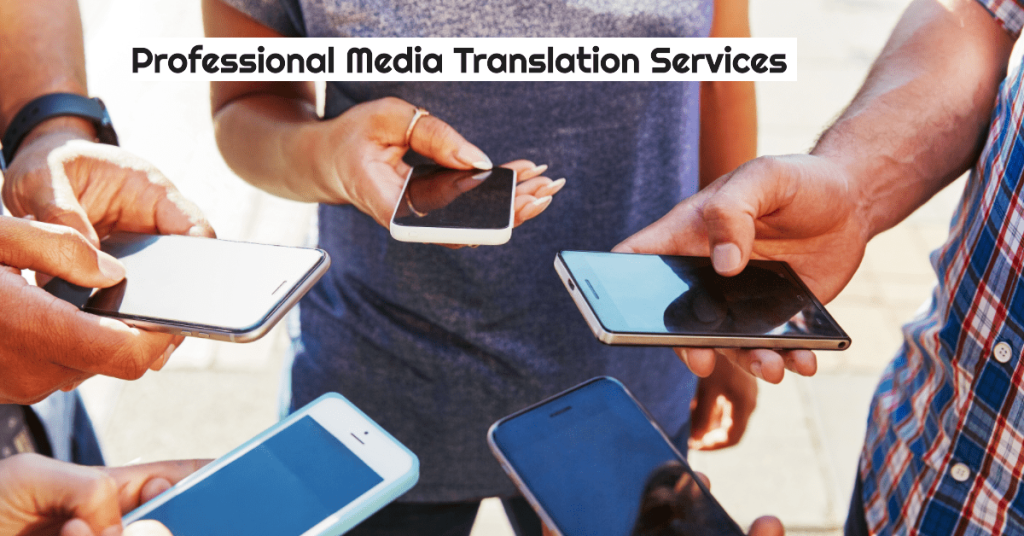
Professional Media Translation Services: Enhancing Global Reach
In today’s interconnected world, the demand for professional media translation services has surged, offering businesses and creators the opportunity to expand their reach beyond linguistic boundaries.
As media content continues to evolve into a global phenomenon, ensuring that it resonates across diverse cultures requires more than mere translation; it necessitates comprehensive media localization.
This article delves into the importance of media translation, the intricacies of choosing the right agency, the processes involved in translation projects, and the immense benefits of multilingual media content.
What are Media Translation Services and Their Importance?
Understanding Media Translation
Media translation encompasses a wide array of services designed to translate and localize various forms of media content, including films, television shows, documentaries, and multimedia presentations.
Unlike traditional text translation, media translation services must account for the nuances of visual storytelling, cultural references, and the intended emotional impact of the original content.
Professional media translators are skilled in adapting subtitles, voiceovers, and scripts, ensuring that the essence of the original message is preserved while making it accessible in different languages.
This enhances comprehension and engagement among a global audience.
The Role of Localization in Media
Localization is a critical component of media translation services as it goes beyond simple translation to adapt content for specific cultural contexts.
This process involves modifying elements such as idiomatic expressions, humor, and local customs to ensure that the audience feels a connection to the content.
For instance, a film intended for American viewers may require significant alterations when localized for Japanese audiences, including changes in character names, setting, and even plot points.
By employing expert media translators who understand both the source and target cultures, businesses can create high-quality media that resonates deeply with viewers around the world.
Benefits of Professional Media Translation Services
The benefits of utilising professional media translation services are manifold.
First and foremost, these services enhance the accessibility of media content, allowing creators to reach a broader, more diverse global audience.
High-quality media translation can also significantly improve viewer engagement, as audiences are more likely to connect with content that speaks their language.
Furthermore, effective media localization can increase brand credibility and reputation, as it demonstrates a commitment to inclusivity and cultural sensitivity.
Ultimately, investing in professional translation and localization can lead to greater market penetration and revenue growth for companies in the media and entertainment industry.
How to Choose the Right Media Translation Agency?
Key Factors to Consider in a Translation Agency
When selecting a media translation agency, it is essential to consider several key factors that will impact the success of your translation project.
First, evaluate the agency’s expertise in media translation, specifically their experience with the type of content you are working on, whether it is films, social media content, or multimedia presentations.
Additionally, look for agencies that have a strong track record of delivering high-quality localization services, as evidenced by client testimonials and case studies.
Turnaround times are also critical; a reliable translation agency should be able to provide timely services without compromising quality.
Expert Media Translators vs. General Translators
Choosing between professional media translators and general translators can significantly influence the outcome of your media translation project.
Expert media translators possess specialised knowledge of the media industry and understand the intricacies involved in translating audiovisual content.
They are well-versed in the technical aspects of subtitle creation, synchronisation, and voiceover work, ensuring that the final product meets industry standards.
In contrast, general translators may lack the necessary skills to navigate the unique challenges of media localization, potentially leading to subpar results.
Therefore, it is crucial to prioritise agencies that employ linguists with proven expertise in media translation.
Evaluating Localization Services for Your Needs
Different translation companies offer varying levels of localization services, making it crucial to evaluate what best suits your specific translation needs.
Some agencies may focus solely on linguistic translation, while others provide comprehensive solutions that include cultural consultation and audience analysis.
When assessing potential partners, inquire about their approach to media localization and whether they can tailor their services to fit your project requirements.
A thorough understanding of your target audience and the cultural context is essential for achieving successful media localization and ensuring that your content resonates effectively across different languages.
What Does a Media Translation Project Involve?
Steps in the Media Translation Process
A media translation project typically involves several well-defined steps to ensure a smooth and effective process.
Initially, a detailed analysis of the media content is conducted to identify key elements that require translation and localization.
This includes scripts, subtitles, and visual elements that may need cultural adaptation.
Next, expert media translators begin the translation process, ensuring that the content is not only linguistically accurate but also contextually appropriate.
Once the initial translation is completed, the content undergoes a review and revision phase, where additional linguists or editors assess the quality and coherence of the translation, making necessary adjustments.
Finally, the localized media content is prepared for delivery, ensuring that all elements, such as subtitles and audio tracks, are synchronized correctly.
Common Challenges in Translating Media Content
Translating media content presents several challenges that require careful consideration.
One common hurdle is the need to maintain the original tone and style of the media while adapting it for different languages.
This is particularly important in genres such as comedy or drama, where cultural references and humor can be highly specific.
Additionally, the technical aspects of synchronization, especially for subtitles, can complicate the translation process.
Ensuring that translated text aligns with the timing of spoken dialogue requires meticulous attention to detail and expertise.
Furthermore, varying audience expectations and cultural sensitivities can complicate the localization efforts, necessitating a deep understanding of the target market to achieve a successful outcome.
Managing a Successful Translation Project
Effective management is key to ensuring the success of any media translation project.
Establishing clear communication channels between the client and the translation agency is essential for addressing any concerns or adjustments that may arise during the translation process.
Setting realistic timelines and milestones can also help keep the project on track and mitigate any potential delays.
Moreover, incorporating regular feedback loops allows for continuous improvement and ensures that the final product meets the client’s expectations.
Engaging in collaborative discussions with expert media translators can foster a productive environment, ultimately leading to high-quality media localization that resonates with diverse audiences.
How to Ensure High-Quality Media Translation and Localization?
Importance of Quality Assurance in Translation
Quality assurance is a vital component of the media translation process, ensuring that the final product meets industry standards and client expectations.
Implementing a robust quality assurance protocol involves multiple layers of review, including linguistic checks, cultural assessments, and technical evaluations.
By employing experienced linguists and editors during the review phase, agencies can identify and rectify any inconsistencies or inaccuracies in the translation.
This commitment to quality helps prevent errors that could detract from the viewer’s experience and maintains the integrity of the original media content.
Utilising Technology in Media Localization
In the modern landscape of media translation, technology plays an increasingly crucial role in enhancing the efficiency and accuracy of localization services.
Tools such as translation memory software and automated subtitling systems can streamline the translation process, allowing media translators to work more effectively while maintaining consistency across projects.
Additionally, advancements in artificial intelligence and machine learning are being leveraged to assist in translating media content, although human oversight remains essential to ensure the nuances of language and culture are respected. This translation process technology is what we called machine translation post editing (MTPE)
By integrating technology into the workflow, translation agencies can improve turnaround times while upholding the high-quality standards expected by clients.
Feedback and Revision Processes in Translation Services
Incorporating feedback and revision processes into media translation services is crucial for achieving a polished final product.
Engaging clients in the review process allows for valuable insights that can enhance the quality of the translation.
Clients should be encouraged to provide feedback on cultural relevance, tone, and overall effectiveness of the localized media content.
After receiving feedback, translators should be open to making revisions to address any concerns raised.
This iterative approach fosters collaboration between clients and translators and ultimately results in a final product that is both culturally resonant and linguistically accuracy.
What are the Benefits of Multilingual Media Content?
Reaching a Global Audience through Translation
One of the most significant benefits of multilingual media content is the ability to reach a global audience.
By translating media content into different languages, creators can tap into previously inaccessible markets, significantly expanding their viewer base.
This not only increases brand visibility but also enhances the potential for monetization through various channels, such as advertising and subscriptions.
In a world where consumer preferences are increasingly diverse, the ability to connect with audiences across linguistic barriers is a strategic advantage that can lead to sustained growth in the media industry.
Enhancing Engagement with Multilingual Media
Multilingual media content fosters greater engagement among audiences, as viewers are more likely to connect with content that is relevant to their cultural and linguistic backgrounds.
By providing access to media in their native languages, creators can cultivate a sense of belonging and loyalty among their audiences.
This is particularly important for brands looking to establish a strong presence in international markets, where cultural nuances play a significant role in consumer behavior.
High-quality media localization not only increases viewer retention but also encourages audiences to share and promote content within their communities, further amplifying its reach.
Case Studies of Successful Media Localization Efforts
Numerous case studies exemplify the impact of successful media localization efforts.
For instance, popular streaming platforms have demonstrated that localized subtitles and dubbing significantly enhance user experience and satisfaction, leading to increased viewership and subscriber growth.
Another example can be seen in the gaming industry, where localized content has led to notable successes in markets like China and Japan, illustrating the importance of tailoring media to local preferences.
These case studies highlight the tangible benefits of investing in professional media translation services, showcasing how effective localization strategies can lead to substantial returns on investment and global recognition.
Unlock Global Opportunities with Our Media Translation Services
In conclusion, leveraging professional media translation services is a strategic necessity for media companies, content creators, broadcasters, streaming platforms, and digital publishers aiming to expand globally, strengthen audience engagement, and connect authentically with diverse international markets.
As the media landscape continues to evolve across regions, platforms, and cultures, moving beyond basic translation to comprehensive localization is essential.
This involves adapting everything—from scripts, subtitles, captions, and editorial content to marketing campaigns, digital platforms, social media assets, and brand narratives—so the message feels natural, engaging, and culturally relevant in every target market.
A localization-first approach builds audience trust, enhances content accessibility, improves viewer experience, and ensures emotional resonance across cultures—driving higher reach, stronger engagement, and long-term global growth.
Why Choose WhizWordz Media Translation Services?
WhizWordz stands out by combining media industry expertise with a strong commitment to quality, speed, and scalability.
Media & Industry Expertise
At WhizWordz, we don’t just translate content—we localize communication. Our native linguists are media-savvy specialists with in-depth knowledge of broadcast, film, digital media, journalism, advertising, and entertainment terminology. We understand tone, context, cultural sensitivities, and audience expectations, ensuring your message remains clear, compelling, and consistent across markets.
Technology-Driven Localization
We utilize advanced localization technologies such as Translation Memory, terminology management combined with post-editing (MTPE), and streamlined workflows to maintain consistency across content libraries, accelerate turnaround times, and optimize costs—without compromising linguistic quality or creative intent.
End-to-End Media Localization Solutions
WhizWordz delivers a comprehensive range of media translation services, including subtitle and caption localization, script translation, voice-over and dubbing support, digital and social media localization, marketing content adaptation, DTP, and linguistic QA. From content creation to distribution and global rollout, we manage the entire localization process with precision and care.
WhizWordz is your trusted language partner—dedicated to transforming your media content into culturally aligned, audience-ready experiences that amplify reach and drive international success.
Frequently Asked Questions (FAQs)
Q1:What are professional media translation services?
A: Professional media translation services involve the translation and localization of multimedia content for the entertainment and media industry, ensuring that the content is culturally relevant and linguistically accurate for target audiences.
Q2:How do specialised media translation services work?
A: Specialised media translation services work by employing expert translators who are familiar with media terminology and the nuances of different cultures, allowing them to effectively translate subtitles, voice-over translations, and other forms of multimedia content.
Q3: What types of content do media translation services cover?
A: Media translation services cover all media content, including video translation, subtitles, dubbing, and voice-over translation, catering to the diverse translation needs of the entertainment industry.
Q4: What languages can you provide for logistic translation services?
A: Our multimedia translation services can handle a wide range of languages, providing comprehensive translation support for projects aimed at global markets and ensuring that all media terminology is accurately translated.
Typically, professional media translation will involve the following languages such as Simplified Chinese translation, Malay translation, Indonesian translation, Japanese translation and Korean translation. And European language will include French translation, Spanish translation, Portuguese translation, German translation
Q5:What should I look for in a translation partner for media projects?
A: When choosing a translation partner, consider their experience in the entertainment and media sector, their quality assurance processes, and whether they provide certified media translation services to ensure high-quality results.
Q6:How can I ensure the translation quality of my media content?
A: Yes, translation services can effectively assist with the localization of online stores, ensuring that the content is adapted to meet the cultural and linguistic needs of the target market. This enhances the shopping experience for customers, increasing engagement and sales.
Q7:What is included in the range of media translation services?
A: The range of media translation services includes subtitle translation, voice-over translation, video translation, and other language services tailored to meet the media translation needs of various platforms and streaming services.
Q8:Why should I choose professional publishing and media translation services?
A: Choosing professional publishing and media translation services ensures that your multimedia content is accurately and effectively translated, allowing you to reach wider audiences and succeed in the competitive entertainment industry.